
Yes, But It’s Not the Same
You can absolutely have sex after menopause. The clit doesn’t retire. The pelvis doesn’t close up. But the way your body gets aroused and the way penetration feels will change – and nobody hands you a protocol for it. They hand you a bottle of lube and a shrug. That’s not enough. You already know that, because you tried it and it still hurt. So let’s skip the pep talk and get practical.
The ugly truth is that your vagina is not the same organ it was at 35. Lower estrogen means thinner tissue, slower blood flow to the clitoris, less natural lubrication, and a pelvic floor that can reflexively clench if something hurts. None of that means you’re broken. It means you need a different entry plan. There’s a re-entry plan that works. It’s not dramatic. It involves lube, breathing, and kicking the “push through it” habit out the window.
The Myth of “Just Use Lube”
The false default that every article pushes: “Sex after menopause is fine, just use lube.” That’s like telling someone with a broken ankle to “just walk more.” If the problem were only dryness, lube would fix it. But if the tissue is thin, the entrance will burn even with lube. If the pelvic floor is bracing because it remembers pain, lube can’t unclench it. If your arousal takes 20 minutes now instead of 2, any lube will feel like a parking lot without a road.
There’s also a second false piece of advice: “It’s natural, so just stop having penetrative sex.” You get to choose that, of course, but it’s not the only option. You can have sex that includes penetration, if you want it. You just need to adapt the approach. That’s the gap this article fills.
What Actually Changes Down There
After menopause, the vaginal walls get thinner and less elastic. That’s called atrophy, which sounds medical and scary, but it’s just a description. The natural lubricant takes longer to show up, and the clitoris needs more direct, longer stimulation to get fully engorged. The area between the vagina and the anus – the perineum – can feel more sensitive, and the entrance can feel like the most fragile part.
You might notice that your outer lips have become thinner, and that, your labia don’t plump up the way they used to. That matters because a lot of women rely on that visible arousal as a signal that they’re ready. When it doesn’t arrive, you may think you’re broken. You’re not. You’re just running on a different schedule. Here’s the good news: the clitoris still has more nerve endings than any other part of your body. It’s still yours. It just needs a louder invitation.
Mechanics for Solo: Reclaim the Entry
Start alone. Not because you must, but because you can go at your own pace without an audience. The goal is to re-teach your pelvic floor that touch at the entrance doesn’t mean pain. This is the single most effective pre-move, and most women skip it.
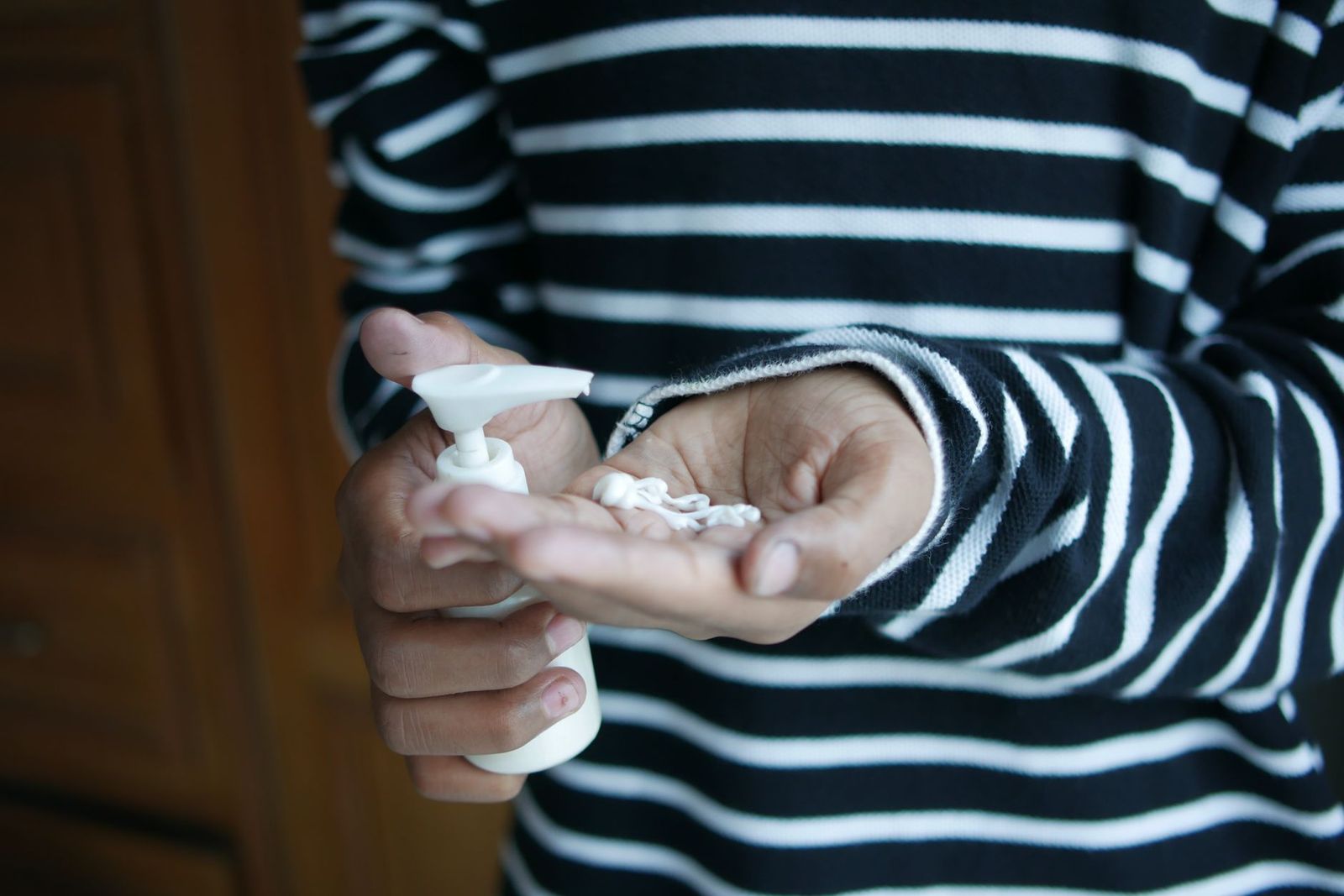
Sit or lie with your knees bent. Use a generous amount of water-based lube – a dollop the size of a grape. Put your finger at the opening, not inside. Press gently. As you press, breathe out slowly and deliberately. Try to relax your jaw and your shoulders, because the pelvic floor mirrors them. Hold for ten seconds. Then release. Do this three times. That’s it. No thrusting, no expecting pleasure. You’re just telling the tissue, “This is neutral.” If you do this for a few nights, the entrance starts to soften.
This is the ‘entrance-a-thon.’ It sounds silly, but it’s the same logic as stretching a tight hamstring – you don’t yank it; you breathe into the end range. The pelvic floor is a muscle. It responds to calm, repeated, low-stakes pressure.
Mechanics for Partners: Slow and Slippery
When you’re ready to involve a partner, the mechanics change. Foreplay isn’t a nice-to-have anymore—it’s the main event. Don’t think of it as 5 minutes of making out before the main act. Think of it as at least 15 minutes of whole-body touching, clitoral stimulation, and talking that isn’t about whether it will hurt. You need more than lube. You need arousal, because arousal physically lifts the cervix and elongates the vagina, creating more room.
When you’re ready, choose a position where you control angle and depth. Being on top is the best first option. Reach down, guide the penis (or toy) to the entrance, and rock, don’t stroke. The angle that worked at 35 might now feel like hitting a wall. Aim slightly downward toward the back of the vagina, not straight in. Use a pillow under your hips if you’re on your back. And add more lube, not less. Put a squirt right at the entrance right before insertion. If it hurts, stop. No ‘get through it’ nonsense. Pull back, add lube, breathe, try again. If it hurts a second time, declare penises-free foreplay for the night. Seriously.
Five Failed Moves to Stop Now
-
Pushing through the pain. This is the worst move. It teaches your pelvic floor to associate penetration with pain, and that can last for years. Stop at discomfort, not pain.
-
Using saliva for lube. It contains enzymes and bacteria that can irritate already thin tissue. It also evaporates in a minute. It’s not a lube substitute.
-
Using hand cream or vaseline. These can be too thick, upset the pH, or cause a yeast infection. They also damage condoms if you use them. Use a water-based or silicone-based lube specifically made for sex.
-
Skipping clitoral stimulation. At this stage, the clit is your best friend. It increases blood flow, which brings natural lubricant. If you go straight to penetration, you’re setting yourself up for friction.
-
Using the same position as your twenties. Bodies shift. A pillow under the hips, or changing to side-lying, can open the angle so you’re not hitting the front wall.
-
Holding your breath while it goes in. If you hold your breath, your pelvic floor clenches. You need to exhale as you guide it in. That’s the mechanical key.
Already Tried and It Hurt? Here’s the Reset
If you already pushed through pain last month, your body has a memory of that. It’s not your fault, but it needs a reset. Here’s the thing: you’re not starting from zero. You’re starting from a memory of hurt. So the next two weeks, take penetration off the table entirely. Tell your partner, or tell yourself if you’re solo: “We’re not doing that. We’re doing everything else.” That means kissing, breasts, clit, hands, toys, whatever doesn’t involve something going into the vagina.
This isn’t a punishment. It’s a trust-rebuilding process. Use the entrance-a-thon daily. If you have a partner, they can be in the room while you practice with your finger, or they can do it for you, but only if you’re both calm. The goal is to get your pelvic floor to stop flinching at the concept.
What to Say to a Partner Who Takes It Personally
If your partner gets deflated by the need for lube or time, address it head-on. Say, “I want to keep having sex with you. My body changed, so the old entry-method won’t work. Give me fifteen minutes of foreplay and a bottle of lube, and then let me be on top so I can find the angle.” That’s not a rejection. That’s a project you’re working on together.
If they say ‘you never used to need this,’ the answer is: “Breaking my leg changes how I walk. I still want to walk.” There’s nothing sad about adapting to a new body. The sadness would be stopping sex because you’re too embarrassed to adapt.
When to See a Clinic (Not Because You Failed)
If you’ve done the entrance-a-thon for two weeks, tried with a partner, and still feel a sharp pain or a burning sensation at the entrance, or if you notice any bleeding, this is not a mind issue. It’s a tissue issue. A gynecologist or a pelvic floor physical therapist can help. There are local estrogen creams that thicken the vaginal tissue, and they’re safe for most women. That’s not a failure. That’s using the medical tools available. You wouldn’t avoid glasses if you couldn’t see.
The Tools That Do a Real Job
Lube is not the solution, but it’s a necessary co-worker. A water-based lube is fine, but it can absorb quickly; a silicone-based lube lasts longer if you’re having extended play. Avoid numbing lubes completely. They hide pain, and you need to feel pain to adjust. If you can’t feel it, you’ll hurt yourself.
A dilator set – yes, the medical-looking ones – is actually a great masturbation aid for re-training your vaginal canal. It’s not a toy; it’s a progressive sizing rod. You start with the smallest, which is about the size of a pinkie, and do the entrance-a-thon with it. When that’s easy, you go to the next size. It’s not sexual. It’s physical therapy for a body part that became hyper-vigilant.
And a vibrator? Yes. A low-to-medium vibration toy on the clit for a few minutes before penetration increases blood flow and makes the vagina more engorged. That means more natural lubrication and a vaginal canal that’s physically longer and more flexible. But use it as a warm-up, not a substitute for the lube.
This Week: Practice the Entrance
For the seven days, do one concrete practice: the entrance-a-thon. Choose a time when you have at least five minutes and won’t be interrupted. A warm bath is ideal. Lube your finger, press at the entrance, breathe out, hold for ten seconds, release. Do three sets. No going inside. No expectation. The variable you’re changing is the pelvic floor’s default setting. If you do this three nights in a row, the next time you try with a partner, the entrance won’t reflexively clench. That’s the single biggest mechanical win.
Your One Move for Tonight
Put the bottle of lube on the nightstand. That’s it. You’re not obligated to use it. You’re not even obligated to take your pants off. You’re just physically changing the room so that the possibility of sex is no longer met with dread. A nightstand with lube says, “This body is worth taking care of.” That’s the start.